
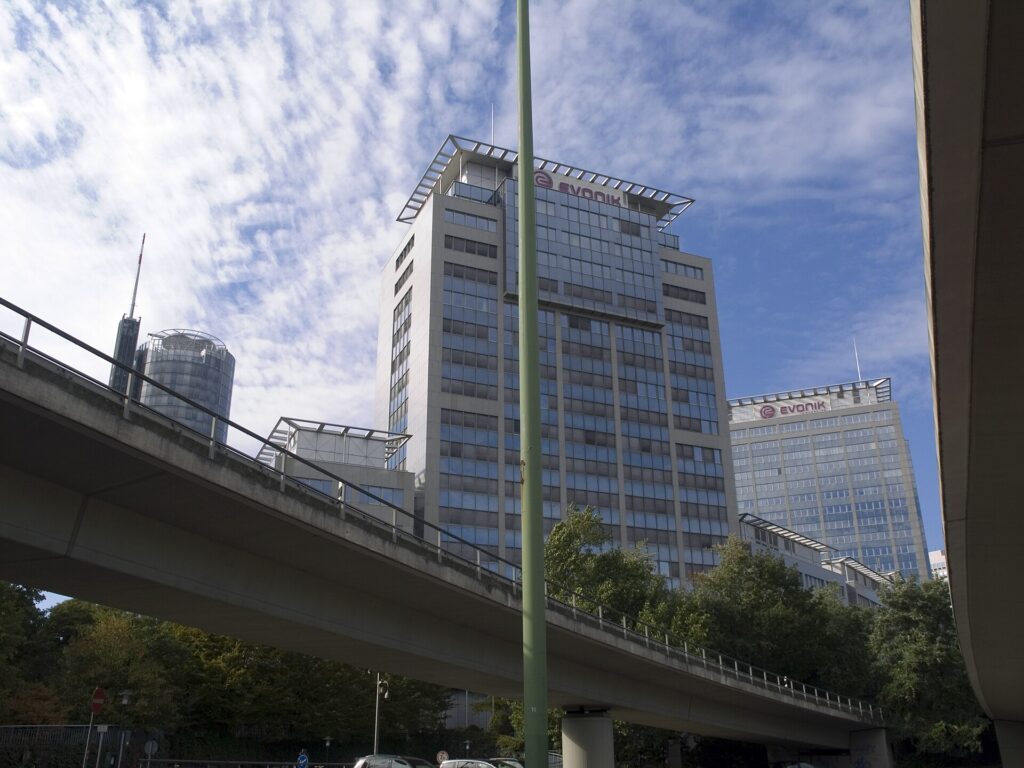
The chemical company Evonik is planning to lay off 3,200 jobs. For many employees, garden leave and severance pay are now central issues. But what rights do employees have in this situation? This guide provides an overview of the most important questions – from claims for protection against dismissal to structuring a termination agreement.
Protection Against Dismissal: When a Layoff Is Invalid
In a layoff like Evonik’s, the first question is whether the layoff is even valid. In Germany, protection against dismissal generally applies, but it doesn’t automatically cover every workplace. The key is whether the Protection Against Dismissal Act (KSchG) applies. This is the case if the company employs more than ten workers and the employment relationship has lasted more than six months.
If protection against dismissal applies, the layoff must be socially justified. This means the employer must have a valid reason – such as a operational layoff because the job is being eliminated. In a mass layoff like Evonik’s, the employer must also prove that the business decision actually leads to job losses. Social selection is also a common point of dispute: the employer must lay off the workers who are least in need of protection. Mistakes here can invalidate the layoff.
Important: The claim period is only three weeks after receiving the layoff notice. Anyone who misses this deadline loses their right to protection against dismissal. Those affected should therefore act quickly and, if in doubt, hire a specialist employment lawyer.
Severance Pay: Not Automatic, but Often Negotiable
Many employees assume they are automatically entitled to severance pay upon layoff. This is not the case. A legal claim to severance pay only arises in specific situations – such as when the employer explicitly mentions severance pay in the layoff notice (§ 1a Protection Against Dismissal Act). In practice, however, severance pay is often negotiated via a collective bargaining agreement or interest compensation, especially if the works council is involved.
Evonik is a large corporation that plans very carefully. Nevertheless, the rule holds: severance pay can be negotiated even without a concrete promise. Employers are generally willing to pay severance pay if the employee, in return, drops their claim for protection against dismissal. The amount depends on various factors: length of service, age, maintenance obligations, and the employee’s negotiation skills. The rule of thumb ‘0.5 gross monthly salary per year of employment’ has become established – however, this is not a legal claim but only a starting point for negotiations.
For more on severance pay and negotiation tips, see our article BMW and Severance Pay 2026, which covers similar issues.
Garden Leave and Severance Pay: These Options Are Available
In addition to severance pay, garden leave offers an alternative to immediately ending the employment relationship. In garden leave, the employee leaves the company before the regular retirement age but receives a compensation payment until retirement. This can consist of a combination of severance pay, company pension, and unemployment benefit. In the case of Evonik, the company could also offer garden leave regulations as part of the layoff to create socially acceptable solutions.
For employees, it is important to accurately calculate the financial implications. Garden leave often means lower payments than the regular salary. The pension gap can also be significant. Therefore, one should seek comprehensive advice before signing – both tax and social law. Severance pay can help bridge the gap, but it is not a replacement for the full salary.
If you are unsure how to proceed, also read our article Forgoing Salary: These Risks Employees Should Know About During Corporate Rescue, which provides valuable tips on what to watch out for.
Receiving the Layoff Notice: How to Respond Correctly
No one should simply accept a layoff notice. Even if the employer announces a collective bargaining agreement, it is often wise to have the layoff reviewed legally. Because only those who file a claim within the three-week deadline retain their rights. This is especially true if there are doubts about the social selection or the proper hearing of the works council.
A claim is not always the best approach. Sometimes a termination agreement with severance pay is the more pragmatic solution – especially if the employee already has a new job in sight. The key is to weigh the pros and cons. A protection against dismissal claim can secure your position in the company but also take time and effort. A termination agreement, on the other hand, offers planning security – but only if the severance pay is adequate.
Support in financing a legal process can be offered by the litigation funder RechtStark. RechtStark checks whether a claim has a chance of success and may cover the costs. This allows you to enforce your rights without having to bear the financial risk alone.
Collective Bargaining Agreement and Interest Compensation: The Role of the Works Council
In a layoff of this scale, the works council must be involved. It has the right to negotiate a collective bargaining agreement and a social plan. The collective bargaining agreement regulates which employees will be laid off and how the restructuring will proceed. The social plan compensates for the economic disadvantages arising from the layoff – typically through severance pay.
Employees should therefore actively inform the works council and keep up to date on the negotiation results. Qualification measures or transfer companies are often also offered in the social plan. These can be a sensible alternative to immediate termination, as they bridge unemployment and preserve employment market chances.
Important: The social plan is not automatically the same for all employees. It can provide for different severance pay – for example, based on age or length of service. It is worth carefully checking your own claims and demanding them if necessary.
Garden Leave and Severance Pay: Tax and Social Law Pitfalls
Severance pay is not paid in full in Germany. It is subject to income tax and possibly social security contributions – at least in part. However, there is a reduced tax rate under the ‘fifth rule’ which can lower the tax burden. Severance pay can also affect unemployment benefit if the employee becomes unemployed afterward. There are waiting periods and calculation rules that one should be aware of.
In the case of garden leave, additional points apply: pension contributions must continue to be paid, otherwise pension reductions threaten. Health insurance must also be organized. Careful planning is therefore essential. Those affected should seek advice from a tax advisor or a specialist employment lawyer – not only to negotiate the severance pay but also to optimize the tax consequences.
Conclusion: Enter Negotiations Well-Informed
Evonik’s layoff is a turning point for many employees. But with the right knowledge, you can actively shape protection against dismissal, severance pay, and garden leave. It is important to meet deadlines, know your rights, and seek early advice. A layoff is not the end – but often the beginning of a new chapter. Those who know and use the options can set the course for their professional future correctly.
Note: This article is for general information purposes only and does not replace individual legal advice. For a free initial assessment of whether litigation funding may be an option for your case, you can contact RechtStark.